

Essential check before buying
Found pending dues on property I was about to buy. Saved me from potential issues.
Rajasthan User1 month ago
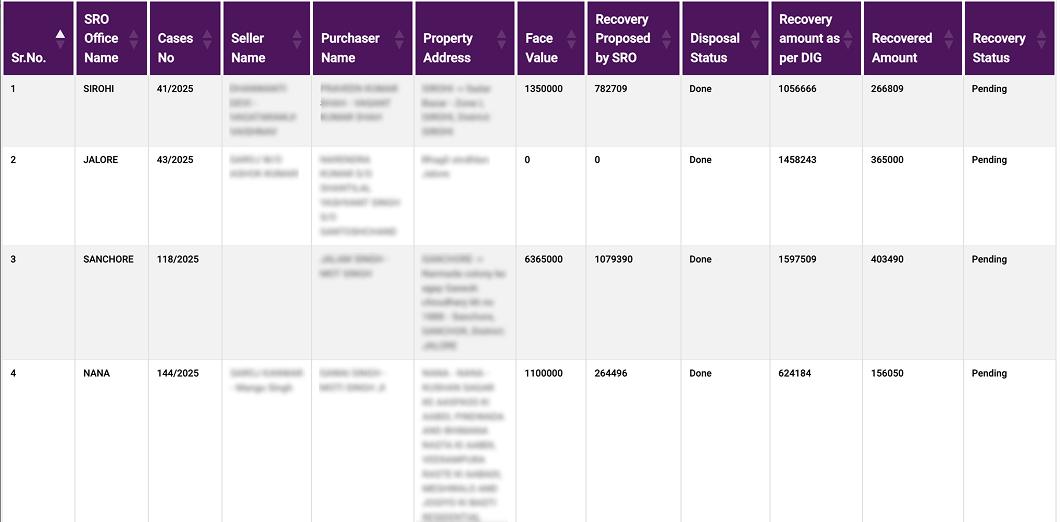

Found pending dues on property I was about to buy. Saved me from potential issues.
Public Dues refer to any outstanding government dues, taxes, or liabilities associated with a property or land parcel in Rajasthan. These may include unpaid land revenue, cesses, or other statutory charges that need to be cleared before property transactions.
Checking Public Dues is essential before purchasing property to ensure there are no outstanding government liabilities attached to the land. Unpaid dues can become the responsibility of the new owner and may lead to legal complications or penalties.
To search for Public Dues on Landeed, you need to select the village where the property is located and provide the seller or purchaser name. This helps identify any outstanding dues associated with properties linked to that person in the specified village.
Public Dues search may reveal various types of outstanding government charges including land revenue arrears, agricultural cess, water charges, electricity dues linked to agricultural connections, and other statutory government charges related to the property.
The Public Dues information is retrieved from official government records and reflects the latest available data from the Revenue Department. However, for the most accurate and up-to-date information, it is advisable to verify with the local tehsil office.
Yes, outstanding Public Dues can potentially affect property registration. Many registration offices require a no-dues certificate or clearance of pending dues before allowing property transfer. It is recommended to clear all dues before initiating property transactions.
Generally, the seller is responsible for clearing all outstanding Public Dues before the property transfer. However, this should be clearly mentioned in the sale agreement. Buyers should verify dues clearance to avoid inheriting any liabilities.
Outstanding Public Dues can be cleared by visiting the local tehsil office or revenue department. Payment can typically be made through government portals, authorized banks, or directly at the tehsil office. Obtain a receipt and no-dues certificate after payment.

